There is no one-size TMJ cure, but most jaw pain improves with the right plan. See how dentists diagnose TMJ and when splints or surgery help.
There is no single permanent cure for every TMJ disorder, but most improve with conservative care. At Charlton Dentistry in downtown Hamilton, your dentist examines your jaw joints, muscles and bite, then may recommend a custom bite splint, jaw exercises and habit changes. Surgery is reserved for severe joint damage.
What to Know Before You Treat Jaw Pain
- TMJ disorders affect the jaw joints and the muscles that move them, and causes range from stress and clenching to injury and arthritis.
- There is no one-size cure, but conservative care helps many people, and symptoms often settle once the jaw is allowed to rest.
- A custom bite splint, adjusted by your dentist over time, is the main non-surgical therapy offered at Charlton Dentistry.
- Surgery is reserved for severe cases, such as joint damage from arthritis or trauma, and is coordinated with oral and maxillofacial surgeons.
- Insurance coverage varies: standard dental plans often partially cover splints, while surgery may fall under medical insurance.
Do you ever find yourself experiencing jaw pain or discomfort? Perhaps you notice clicking or popping sounds when you chew or speak. If so, you might be one of many people affected by temporomandibular joint (TMJ) disorders. Don't worry though, understanding TMJ disorders and finding relief is possible with the right knowledge and treatment.
The question most patients in Hamilton ask next is how to cure TMJ permanently. This guide explains what that realistically means, which treatments help, and how our team approaches jaw pain step by step.
What Are TMJ Disorders?
The temporomandibular joint (TMJ) acts as a hinge connecting your jawbone to your skull. TMJ disorders refer to a group of conditions that cause pain and dysfunction in this joint and the muscles that control jaw movement. While the exact cause of TMJ disorders can vary, common factors include jaw injuries, arthritis, teeth grinding, and stress.
When the jaw muscles and joints stop working in harmony, the result can be pain, tension and limited movement. Common contributors include:
- Stress that leads to clenching the jaw and grinding the teeth
- Physical trauma or an accident involving the jaw
- Worn teeth or worn fillings that change how the teeth meet
- Naturally misaligned teeth, or changes after earlier surgery or orthodontic treatment
According to the Canadian Dental Association, stress is often a key contributor to jaw joint problems, which is why habit and stress management form part of most treatment plans.
Symptoms to Watch For
Recognizing the symptoms of TMJ disorders is the first step toward finding relief. Common signs include:
- Jaw pain or tenderness
- Spasms or cramps in the jaw muscles
- Difficulty chewing or discomfort while eating
- Clicking, popping, or grating sounds when opening or closing the mouth
- Jaw locking or stiffness, including a jaw that locks open when you yawn
- Headaches or earaches
- Dizziness or pain that spreads across the face
If a symptom keeps returning, or your jaw locks open, it is worth booking an assessment rather than waiting for it to pass. Early answers make it easier to protect the joint and your teeth.
How to Cure TMJ Permanently: The Honest Answer
There is no single treatment that permanently cures every TMJ disorder, because the causes differ from person to person. A jaw strained by nightly clenching needs a different plan than a joint damaged by arthritis or an old injury.
For many patients, the realistic goal is to calm the muscles, protect the joint and remove the triggers that keep symptoms coming back. When that approach works, symptoms can fade and stay quiet for long periods.
What makes the biggest difference:
- Finding the cause first, through a full exam of the joints, muscles and bite
- Breaking the clench and grind cycle with a custom bite splint
- Consistent wear and follow-up visits, so the splint can be adjusted as the jaw heals
- Managing stress and daily habits that put load on the jaw
So when people ask how to cure TMJ permanently, the most accurate answer is this: treat the cause, protect the joint, and keep the habits that triggered the problem under control.
How Dentists Diagnose TMJ Disorders
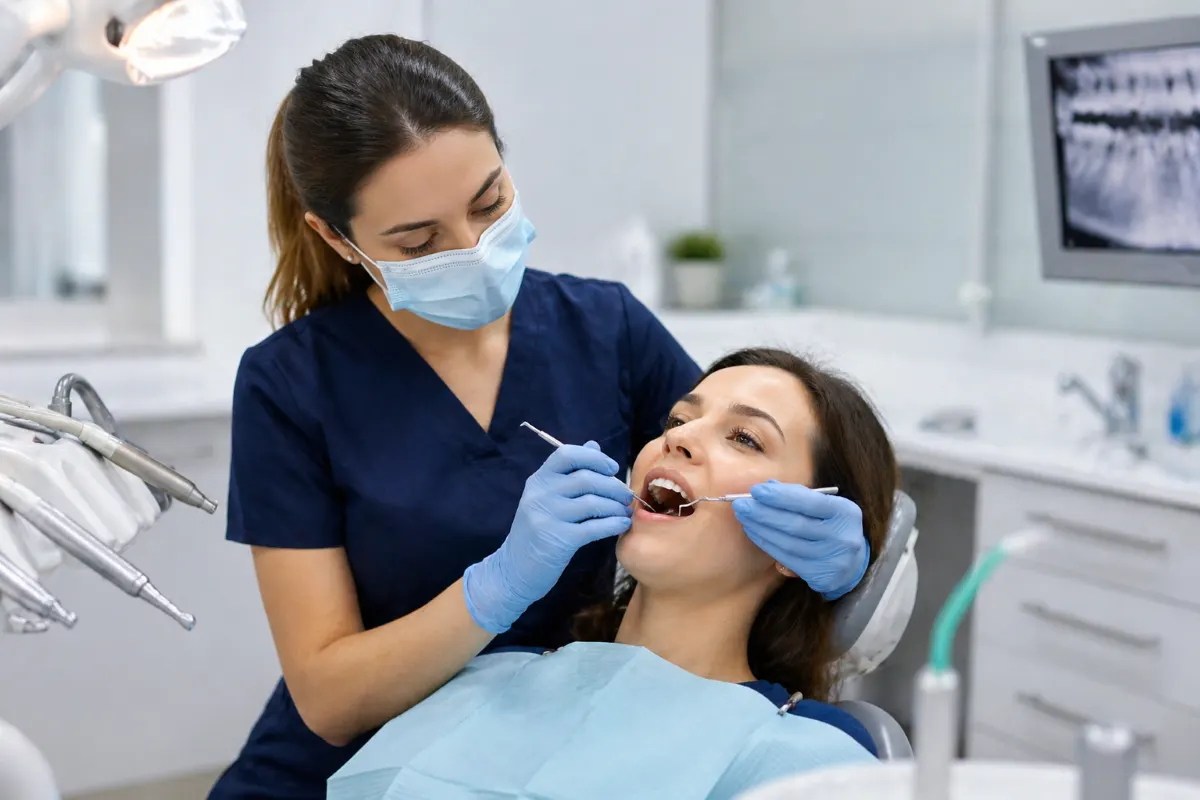
Patients often search how do dentists fix tmj, but the answer always starts with a proper diagnosis. Jaw pain can come from the joint, the muscles, the bite or a mix of all three.
At Charlton Dentistry, a TMJ evaluation includes:
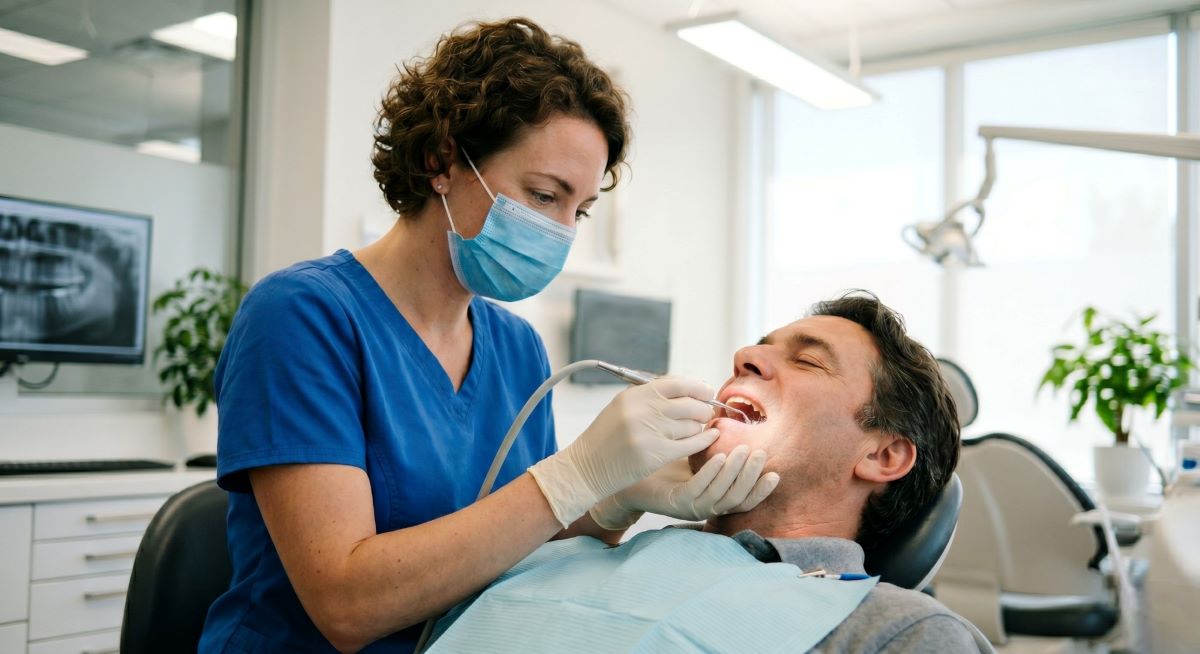
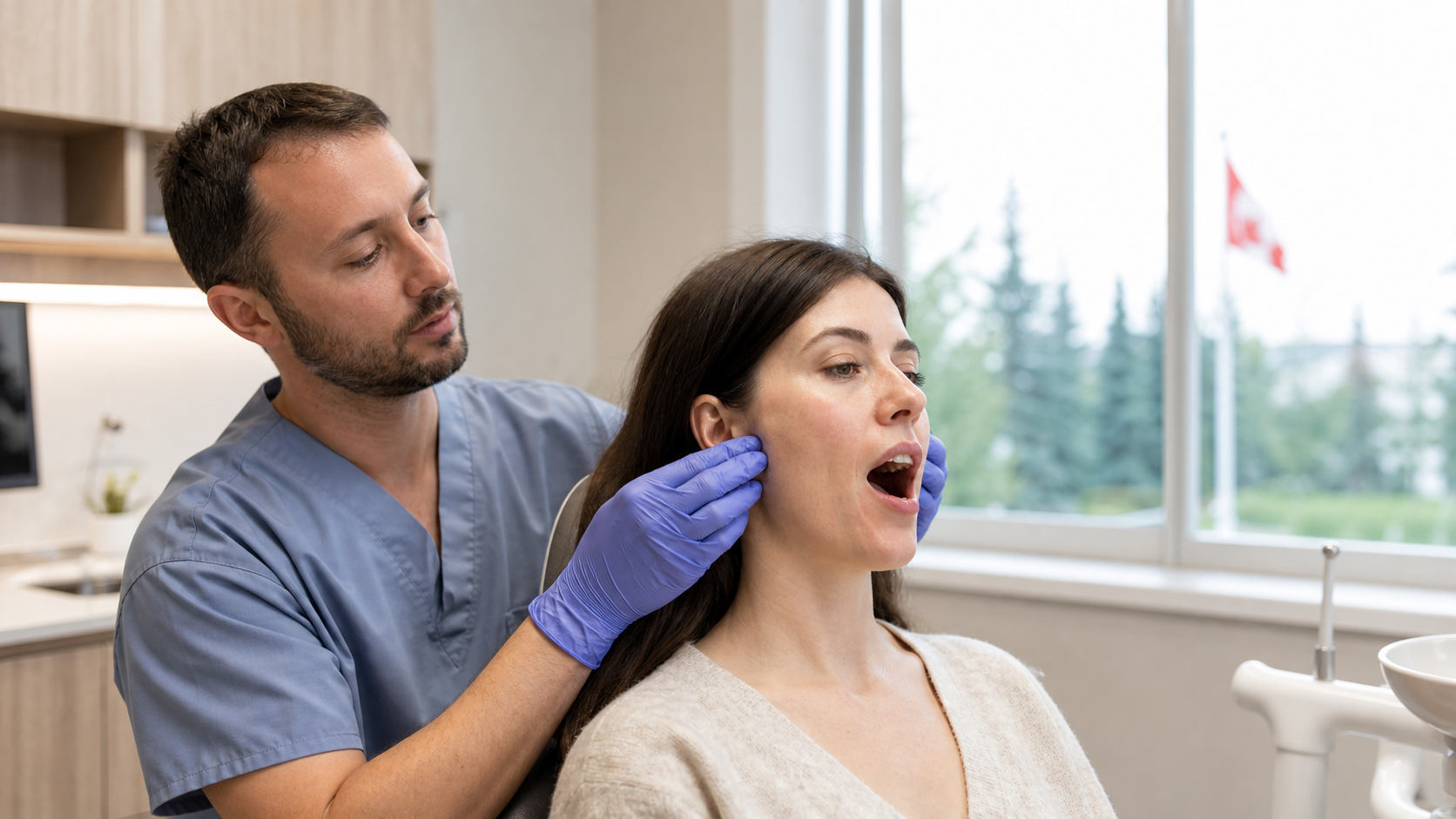
- A comprehensive exam of the jaw joints, facial muscles and how your teeth bite together
- A check of wear patterns on your teeth, including worn fillings or enamel
- An assessment of bite alignment and how your jaw moves when you open and close
- Digital imaging to view the joint structure and bone health
- A review of your stress levels and daily oral habits
This picture tells your dentist whether splint therapy, exercises, habit changes or a referral is the right next step.
Treatment Options That Help Relieve Jaw Pain
If you're experiencing symptoms of TMJ disorders, don't hesitate to seek help from our dental team at Charlton Dentistry in Hamilton. We can provide a thorough evaluation and recommend the most appropriate treatment options based on your specific needs. Treatment may include:
- Lifestyle changes: We may suggest strategies to reduce stress and avoid habits like teeth grinding that can exacerbate TMJ symptoms.
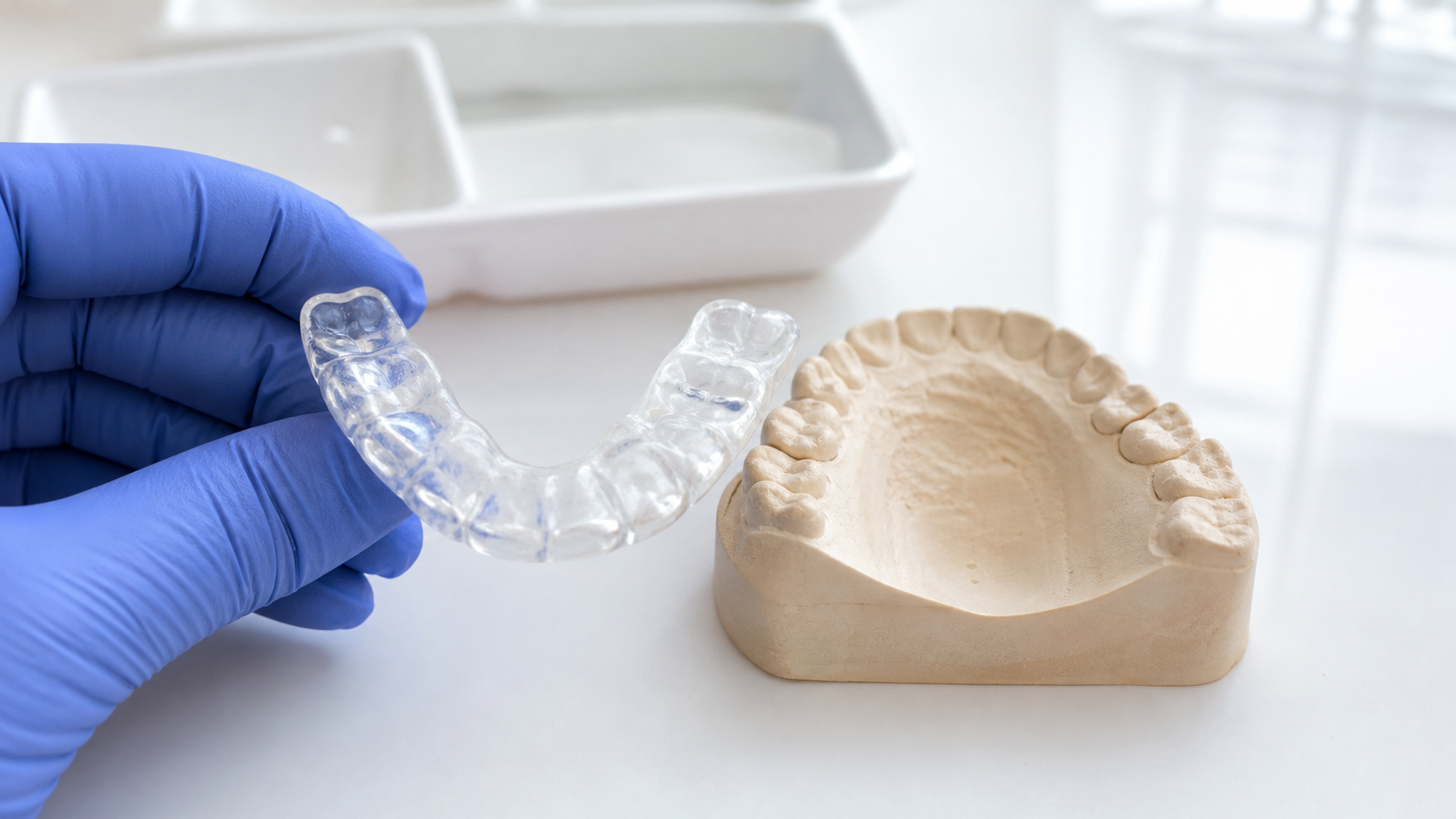
- Oral appliances: A custom-fabricated bite splint stops tooth-to-tooth contact, keeps the jaw lined up and lets the hinge area relax.
- Jaw exercises: Your dentist may prescribe specific exercises to support alignment and comfort.
- Regular splint adjustments: Your dentist adjusts the splint as healing occurs and symptoms ease.
- Wear-time instructions: Some joint disorders need full-time splint wear at first, so following the schedule matters.
How a Custom Bite Splint Works
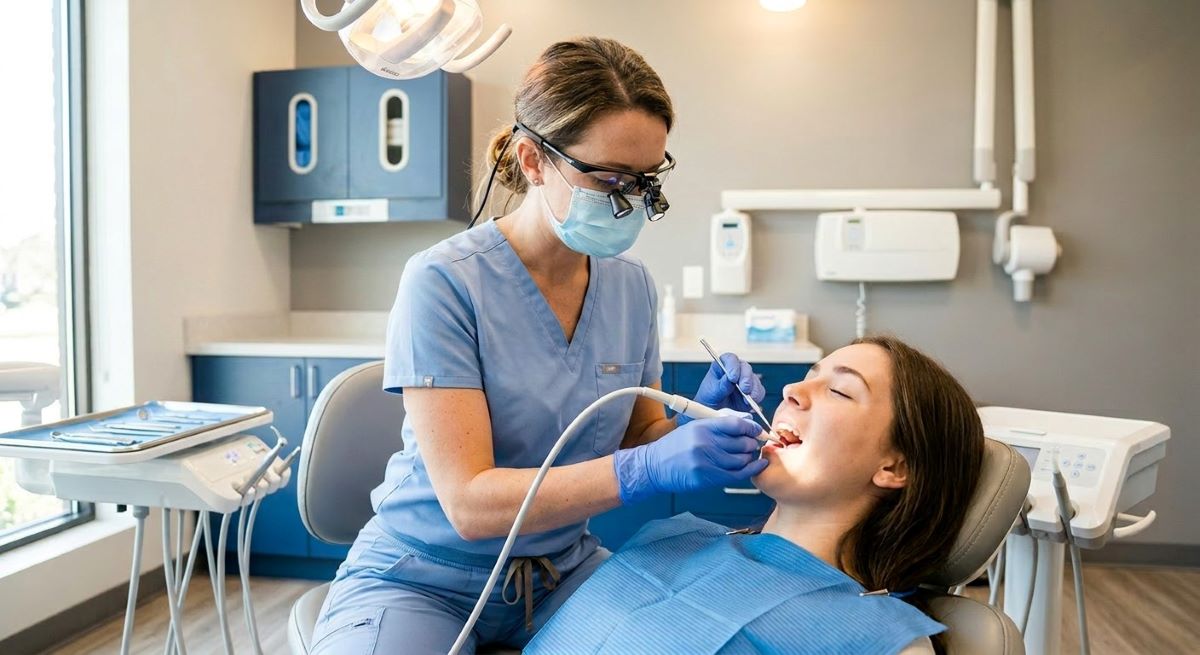
A bite splint is a custom appliance made to fit your teeth precisely. By preventing your upper and lower teeth from grinding against each other, it takes pressure off the jaw muscles and joints while they recover.
Splints for TMJ are closely related to the guards many patients wear for grinding. If clenching at night is part of your picture, our page on occlusal and night guards in Hamilton explains who benefits and how they are fitted.
Once you have a splint or guard, keeping it clean helps it last. Cleaning instructions are given when your splint or guard is fitted.
When Is Surgery Considered?
Surgery is not a first step. It is typically reserved for severe cases where arthritis has damaged the joint, or where trauma has severely altered its structure, and it is considered mainly when conservative therapies such as splints are not enough.
When surgery is needed, the aim is to correct the joint and re-establish a proper bite, and care is coordinated with oral and maxillofacial surgeons.
Who to See for TMJ Treatment
If you are wondering who to see for tmj treatment, your dentist is a natural first stop, because the teeth, bite and jaw joints work together as one system.
So who can treat tmj? Most people start with their dentist for diagnosis and splint therapy. Severe joint problems may involve oral and maxillofacial surgeons, and our team coordinates that referral when it is needed. For a full overview of the service, visit our TMJ treatment in Hamilton page.
What Does TMJ Treatment Cost?
Costs depend on the type of appliance and how much diagnostic work your case needs. At Charlton Dentistry in downtown Hamilton, the cost range is:
- Custom bite splints: $400 to $1,200, depending on the type and material. Final pricing varies based on your individual clinical needs.
- Diagnostic exams and advanced imaging: $150 to $350. Final pricing varies based on your individual clinical needs.
Insurance coverage varies. Standard dental plans often partially cover splints, while surgical treatment may fall under medical rather than dental insurance. Regular splint adjustments are part of the long-term cost, and financing or monthly payment plans are available for out-of-pocket expenses.
Living with TMJ disorders can be challenging, but you don't have to suffer in silence. By understanding the causes and symptoms of TMJ disorders and seeking professional help, you can take control of your oral health and find relief from jaw pain and discomfort.
Common Questions About How to Cure TMJ Permanently
Can stress make TMJ worse?+
Yes. Stress often leads to clenching the jaw and grinding the teeth, which puts extra load on the jaw muscles and joints. Managing stress and daily habits is part of most TMJ treatment plans, alongside a custom bite splint when your dentist recommends one.
Can TMJ cause headaches and earaches?+
It can. Frequent headaches, earaches, dizziness and pain that spreads across the face are common TMJ symptoms, along with tender or cramping jaw muscles and clicking sounds. A dental exam helps confirm whether the jaw is the source.
How long does TMJ treatment take with a splint?+
It varies from person to person. Your dentist adjusts the splint regularly as healing occurs and symptoms ease, and some joint disorders need full-time wear at first. Following the wear schedule and attending follow-up visits helps treatment stay on track.
Does insurance cover TMJ treatment?+
Coverage varies by plan. Standard dental plans often partially cover bite splints, while surgical treatment may fall under medical rather than dental insurance. Checking your plan details before treatment helps you plan for any out-of-pocket costs.
Is clicking in the jaw always a sign of a TMJ disorder?+
Not always. Clicking, popping or grating sounds are common TMJ symptoms, especially when they come with pain, muscle tenderness or a jaw that locks. Clicking on its own, without pain or limited movement, can often be monitored at your regular dental visits.
Ready to Find Out What Is Behind Your Jaw Pain?
Still not sure whether your headaches, clicking or sore jaw muscles point to TMJ? Here is what to expect when you book with us:
- Every TMJ evaluation includes a full exam of your jaw joints, facial muscles and bite, with digital imaging to view the joint itself.
- Custom bite splints are fitted and then adjusted by your dentist as your jaw heals.
- Costs are explained before treatment, and financing or monthly payment plans are available.
If you're experiencing symptoms of TMJ disorders, don't wait, contact us to schedule an appointment with our dental team today at Charlton Dentistry in Downtown Hamilton or visit us at 230 James St S. Together, we can develop a personalized treatment plan to help you achieve a happier, healthier smile.
Struggling with jaw pain?
Book a TMJ evaluation with our Hamilton dental team. We'll assess your symptoms, identify the cause, and create a personalized plan to ease your symptoms.