
TMD (Temporomandibular Disorder) is a syndrome where the jaw muscles and joints are misaligned, causing pain and dysfunction. At Charlton Dentistry in Downtown Hamilton, we provide a comprehensive clinical evaluation to diagnose your specific triggers. We focus heavily on non-surgical therapies, utilizing custom bite splints to stop tooth-to-tooth contact and allow the hinge area to relax, alongside prescribed jaw exercises to restore your comfort.
Reclaim Your Comfort and Stop Jaw Pain
- Targeted Relief: TMD is a syndrome where jaw muscles and joints are misaligned; our treatments specifically aim to keep the jaw lined up and relieve chronic discomfort.
- Comprehensive Diagnosis: We evaluate your jaw joints, facial muscles, and dental occlusion, utilizing digital imaging to assess joint structure and bone health.
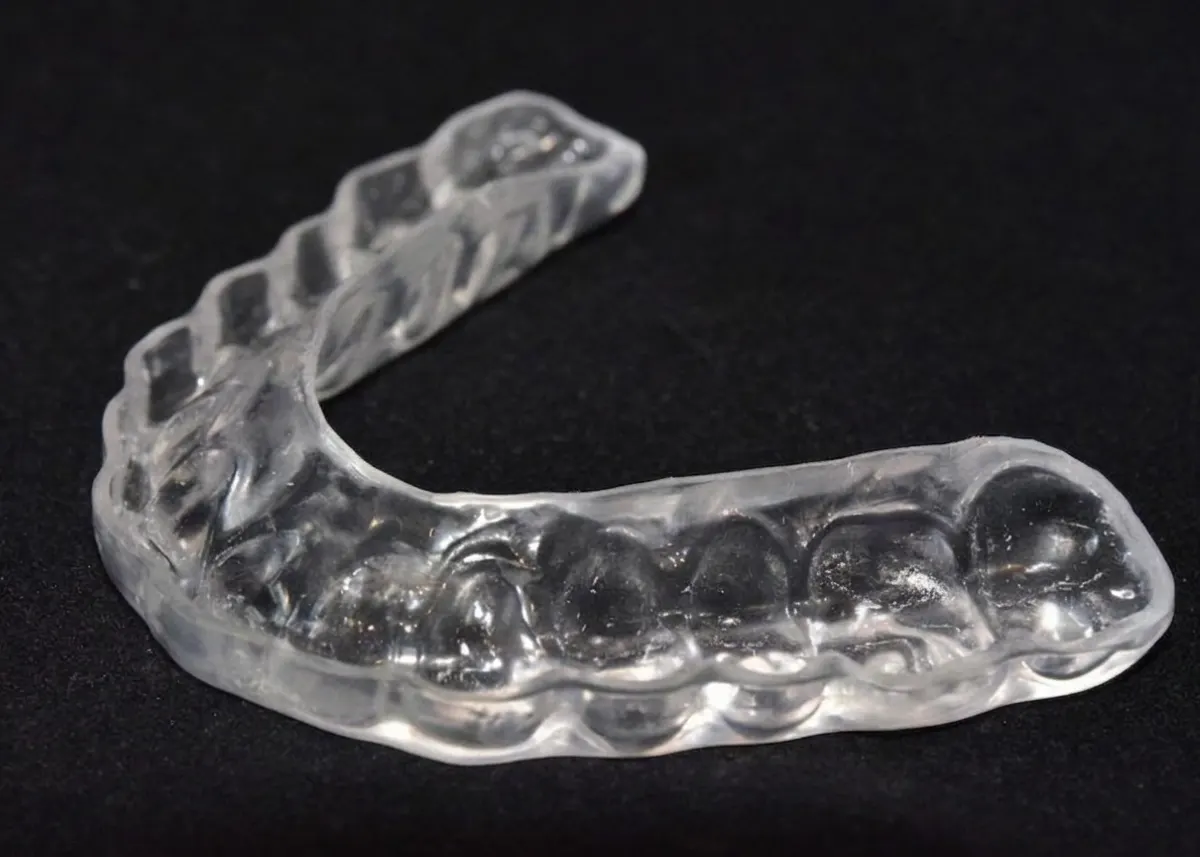
- Non-Surgical Focus: We prioritize conservative care through custom bite splints designed to stop tooth-to-tooth contact and allow the hinge area to relax.
- Long-Term Management: TMJ is managed long-term, requiring regular splint adjustments by the dentist as healing occurs and symptoms disappear.
- Transparent Communication: All diagnostic and treatment costs are explained in detail before care begins, ensuring you have a clear understanding of your investment and payment options.
If you wake up with frequent headaches, experience earaches, or notice a clicking sound when you chew, you may be suffering from a temporomandibular joint disorder. Searching for tmj pain relief is the first step toward reclaiming your quality of life. At Charlton Dentistry in Downtown Hamilton, we understand how debilitating tmj pain can be. We specialize in diagnosing the root causes of jaw dysfunction and providing highly customized, non-surgical therapies that restore comfort and protect your long-term oral health.
What Is TMJ / TMD and What Causes It?
Patients frequently ask us, what is tmj? TMJ refers to the temporomandibular joint itself. TMD (Temporomandibular Disorder) is a syndrome where these jaw muscles and joints are misaligned, causing pain.
Understanding what causes tmj is essential for effective treatment. Based on clinical evaluations, the primary causes include:
- Stress: Stress that causes clenching of the jaws and grinding of the teeth.
- Developmental Defects: Issues such as the wearing down of teeth or fillings.
- Physical Trauma: Injuries or accidents that directly impact the jaw.
- Bite Issues: Naturally misaligned teeth or previous surgical/orthodontic changes.
What Are the Symptoms of TMJ Disorder?
If you are researching tmj symptoms, it is important not to ignore the warning signs. TMJ dysfunction manifests in several ways, including:
- Clicking, popping, or grating sounds when opening or closing the mouth.
- Frequent headaches and/or dizziness.
- Tenderness, spasms, or cramps in the jaw muscles (which is very common).
- Earaches and referred facial pain.
- Jaws that sometimes lock open (e.g., when yawning or holding the mouth open).
How Is TMD Diagnosed and Evaluated Clinically?
Properly diagnosing a tmj disorder requires a structured, comprehensive clinical evaluation. During your Dental Exams, we perform a full assessment that includes:
- Physical Examination: A comprehensive exam of jaw joints, facial muscles, and dental occlusion.
- Bite Analysis: Evaluating physical wear patterns on teeth (worn fillings or enamel), as well as an assessment of bite alignment and tracking jaw movement.
- Digital Imaging: Advanced X-rays to view the physical joint structure and bone health.
- Lifestyle Review: A review of the patient's stress levels and daily oral habits.
What Non-Surgical Therapies Are Offered to Treat TMD?
If you are wondering how to treat tmj, our clinic strongly emphasizes non-surgical intervention first. Our primary tmj treatment approach involves:
- Custom-Fabricated Bite Splints: Designed to stop tooth-to-tooth contact.
- Splint Therapy: Keeps the jaw lined up and allows the hinge area to relax.
- Targeted Exercises: Prescription of specific jaw exercises to support alignment and comfort.
- Ongoing Care: Regular adjustments of the splint by the dentist as healing occurs and symptoms disappear.
- Guided Use: Strict wear-time instructions (it is important to note that some joint disorders require full-time wear initially).
When Is Surgical Intervention Considered for TMJ Issues?
Many patients wonder how to fix tmj permanently and if surgery is required. Surgical intervention is typically reserved for severe cases where the joint is damaged by arthritis, or if physical trauma or an accident has severely altered the joint structure.
Surgery is aimed at surgically correcting the TMJ to re-establish proper occlusion. It is considered primarily when conservative therapies (like splints) are insufficient, and it is always coordinated with specialized oral and maxillofacial surgeons.
TMJ Treatment vs. Occlusal & Night Guards
While they look similar, an occlusal splint for TMD and a standard night guard serve different clinical purposes.
| Feature | TMJ Splints (Orthotics) | [Occlusal & Night Guards](/services/category/preventive-dentistry) |
|---|---|---|
| Purpose | Jaw alignment and muscle relief | Teeth protection |
| Function | Keeps the jaw lined up and allows the hinge area to relax | Prevents grinding damage to enamel |
| Wear Time | Strict wear-time instructions (sometimes full-time initially) | Typically worn only while sleeping |
Frequently asked questions
TMJ refers to the temporomandibular joint. TMD (Temporomandibular Disorder) is a syndrome where these jaw muscles and joints are misaligned, causing pain, clicking, and difficulty in movement.
Stop Living with Jaw Pain Today
You do not have to endure frequent headaches, clicking joints, or facial pain. Booking a TMJ consultation at Charlton Dentistry in Downtown Hamilton ensures you receive a precise diagnosis and a customized, non-surgical plan to restore your comfort and function.
- Treat the Root Cause: We identify and manage the exact triggers causing your pain, from stress to occlusion issues.
- Customized Relief: Benefit from expertly adjusted splint therapy and targeted jaw exercises.
Take the first step toward lasting relief. Use our booking buttons below to schedule your TMJ assessment today. If your bite misalignment is contributing to your pain, we can also discuss Orthodontics (like Invisalign) or Dental Implants for full bite restoration.
Visit us at: 230 James Street South, Hamilton, ON L8P 3B3