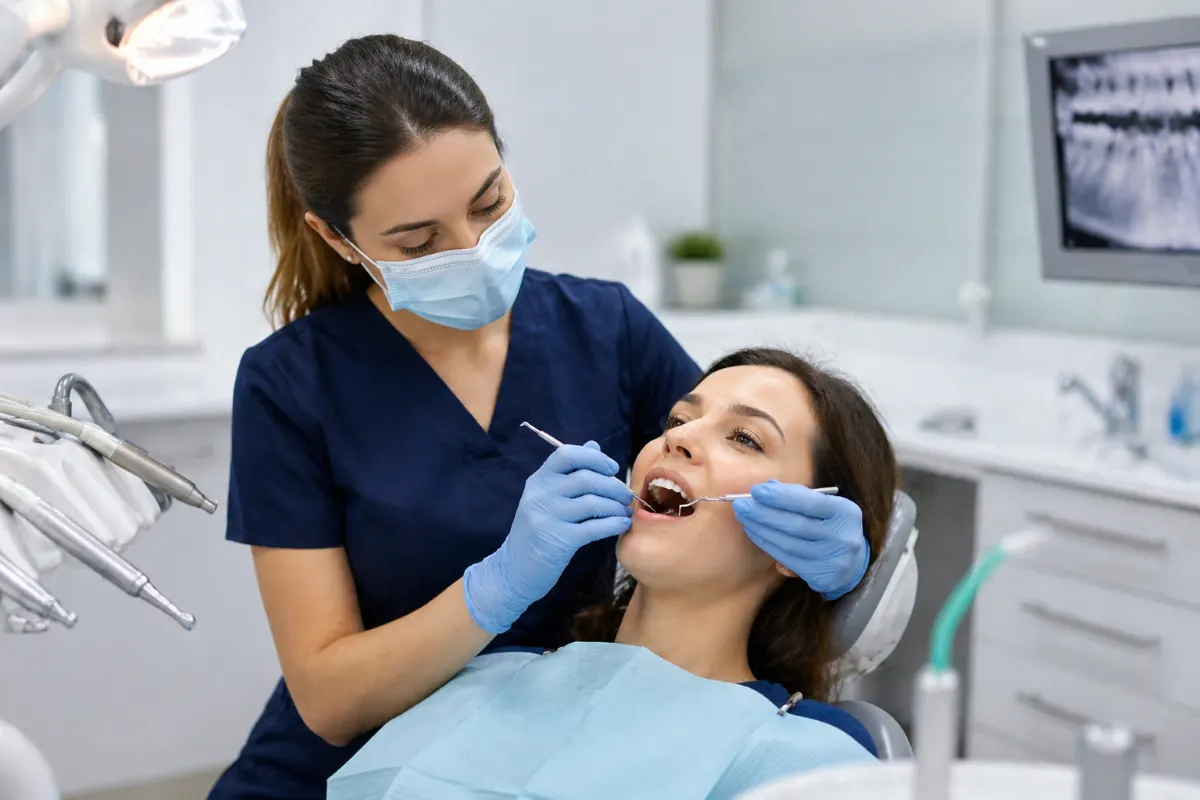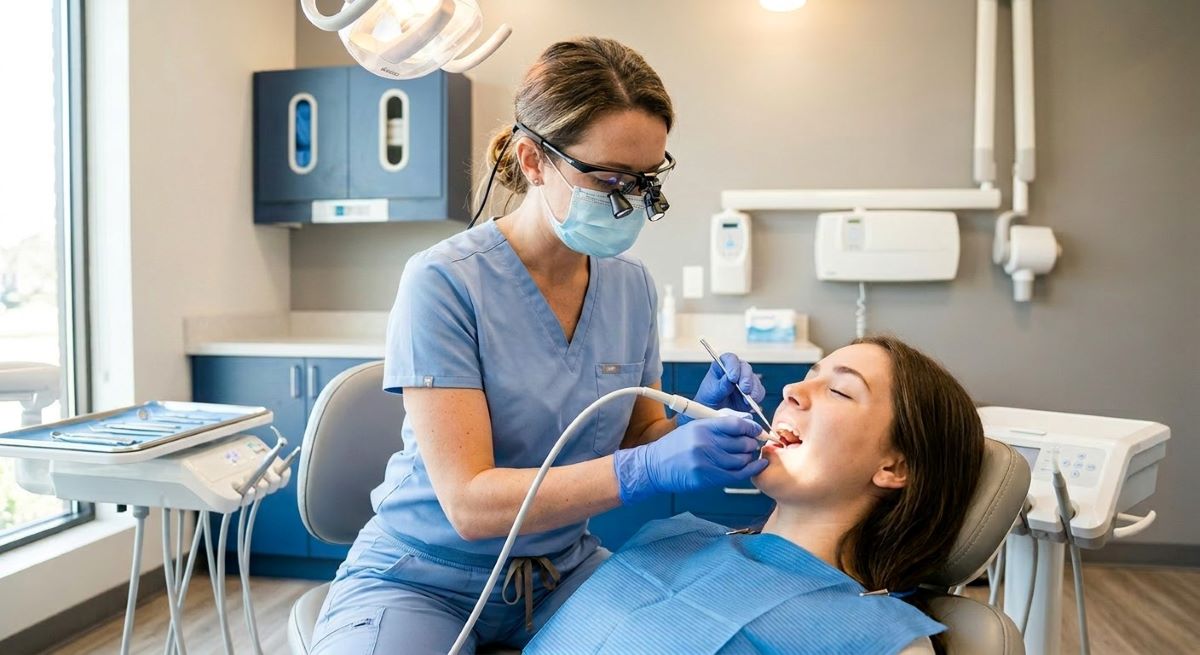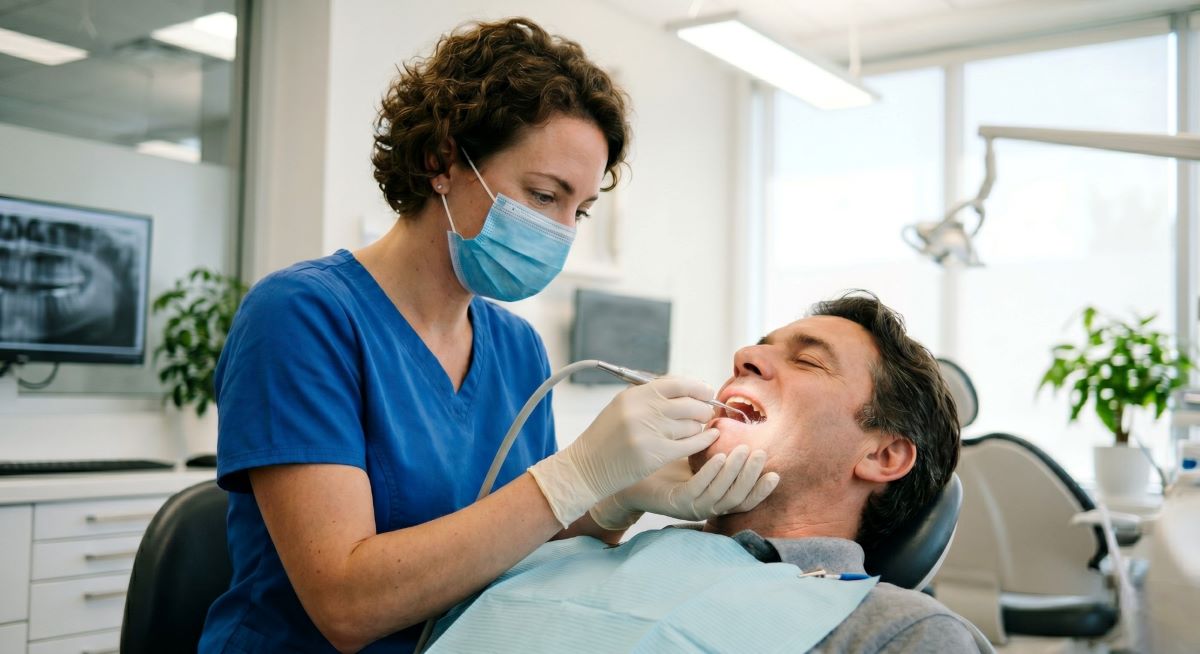
Do teeth cleanings really help? Learn why professional plaque and tartar removal is not optional, it is a critical step in preventing cavities and gum disease.
Yes, teeth cleanings are absolutely necessary. While daily brushing and flossing are crucial, they cannot remove hardened tartar. Professional cleanings help prevent cavities and gum disease by safely removing this stubborn buildup that you cannot eliminate at home. Recommended based on individual needs, routine cleanings are an essential part of preventive care that protects your long-term oral health.
The Importance of Routine Cleanings
- Essential Prevention: Professional cleanings remove stubborn plaque and tartar buildup that at-home brushing leaves behind.
- Disease Defense: They actively help prevent gum disease and painful cavities before they develop.
- Customized Schedules: Frequency depends entirely on your individual oral health and needs.
- Long-Term Protection: They are a non-negotiable part of long-term preventive dental care.
- Tailored Care: Enjoy a highly personalized approach to hygiene at Charlton Dentistry.
If you brush twice a day and floss regularly, you might find yourself wondering: Do teeth cleanings really help, or are they just an optional extra? It is completely normal to be slightly skeptical, especially if your teeth feel perfectly fine. However, taking care of your smile goes much deeper than what you can see in the bathroom mirror.
Teeth cleaning is not optional, it is a critical piece of preventive care that actively protects your long-term oral and systemic health. If you have been asking yourself, "Where can I find an expert teeth cleaning near you in Downtown Hamilton?", Charlton Dentistry is here to provide educational, non-judgmental, and highly personalized care.
What Happens If You Skip Teeth Cleanings?
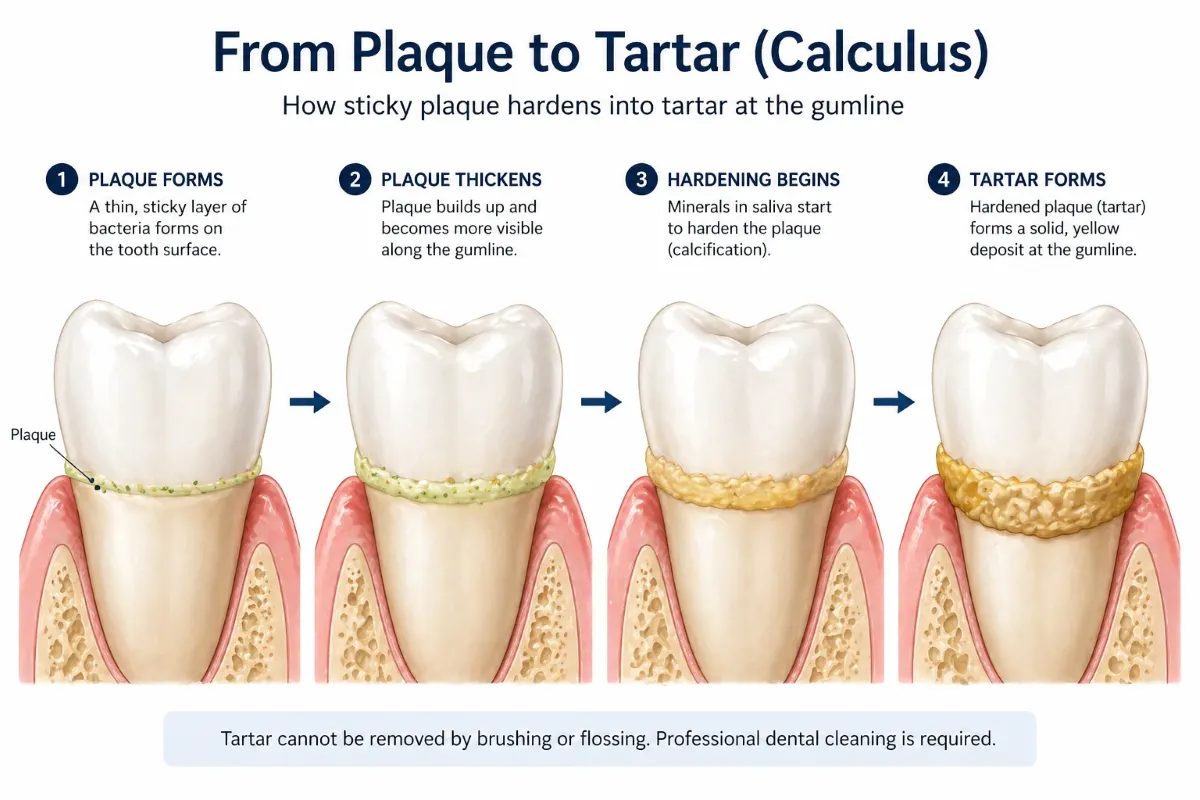
Even with pristine brushing habits, plaque, a sticky, bacteria-filled film, constantly forms on your teeth. When plaque is left sitting on the enamel for too long, it calcifies into a hard substance called tartar (or calculus).
Once tartar forms, it firmly bonds to the tooth surface and begins to irritate the gum tissue. This leads to gum inflammation (gingivitis). If you consistently skip your cleanings, that inflammation can progress into severe periodontal disease, causing the gums to pull away from the teeth and eventually leading to bone loss. At that advanced stage, a standard cleaning is no longer enough, and you will face an increased need for more intensive treatments like Scaling & Root Planing.
Why Are Teeth Cleanings Important?
Understanding exactly why dental cleaning is important comes down to three main preventive pillars:
- Prevent Cavities: The bacteria in plaque and tartar produce acids that eat away at tooth enamel. Removing this buildup directly stops tooth decay in its tracks.
- Support Gum Health: By keeping the gumline free of irritating tartar, you prevent the bleeding, swelling, and eventual tooth mobility associated with gum disease.
- Early Detection of Issues: Routine cleanings allow our team to monitor your mouth closely. When paired with regular Dental Exams, we can catch tiny cavities, failing fillings, or early signs of oral health issues before they become painful or expensive to fix.
Curious about the actual steps involved? Learn more in our guide covering what happens during a teeth cleaning.
What Do Professional Teeth Cleanings Remove That Brushing Can’t?
Professional cleanings tackle the stubborn elements that a toothbrush simply cannot handle. Our highly trained dental hygienists perform thorough, gentle cleanings that remove:
- Hardened Tartar: Only specialized, sterilized dental instruments can safely scale calculus off the tooth without damaging the enamel.
- Hidden Plaque: Plaque hides in deep grooves and slightly beneath the gumline where bristles cannot reach.
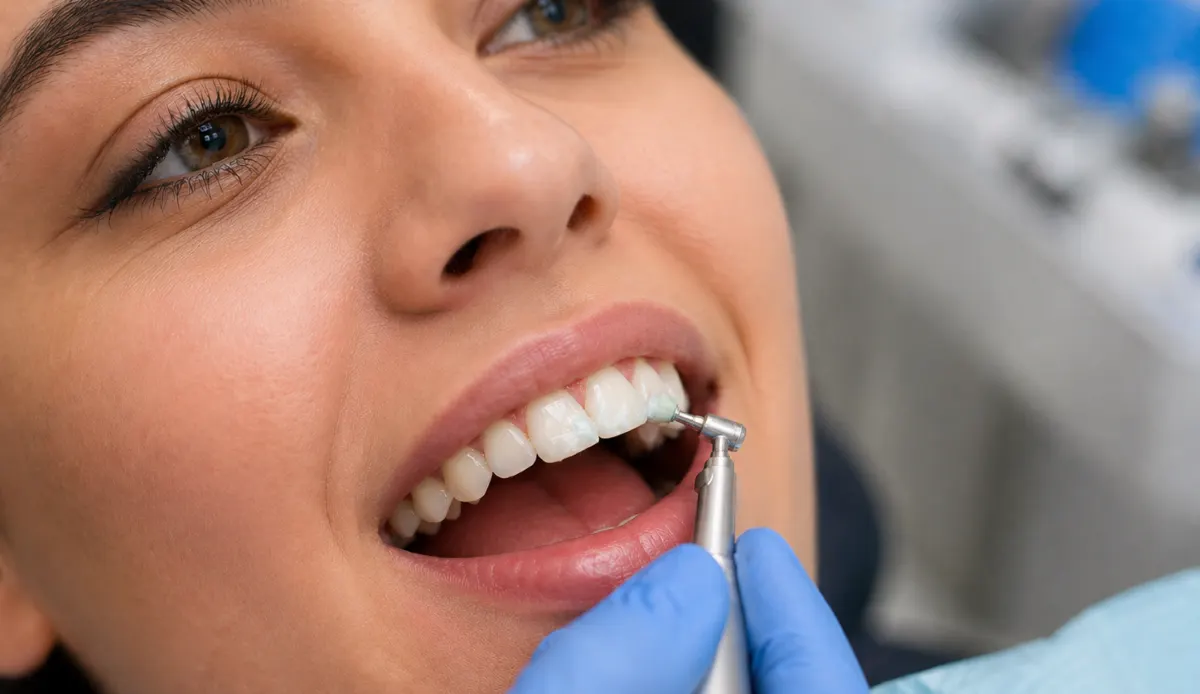
- Surface Stains: Your appointment includes professional polishing to gently lift stubborn surface stains caused by coffee, tea, and everyday foods, leaving your smile visibly brighter.
During the visit, your hygienist will also conduct a comprehensive gum health check, and a dentist will review any findings if needed.
If you are looking for this level of care, explore our primary Teeth Cleaning services.
Are Teeth Cleanings Really Necessary for Everyone?
Yes, but your specific hygiene plan should not be a "one-size-fits-all" approach.
Every single person builds up plaque and tartar at a different rate depending on their diet, genetics, and saliva composition. While the treatment itself is necessary for everyone to maintain a healthy mouth, the frequency varies greatly and depends entirely on your individual oral health. For a deeper understanding of ongoing care, this is a core focus of our Dental Hygiene programs.
Signs You Need a Teeth Cleaning
If you are off your regular schedule, your body will typically give you warning signs. You likely need to book an appointment if you experience:
- Bleeding Gums: Gums that bleed when brushing or flossing are inflamed and irritated by tartar.
- Bad Breath: Chronic bad breath is often a direct result of hidden bacterial buildup.
- Visible Tartar: Hard, yellowish, or brown deposits clustered near the gumline or behind the lower front teeth.
- Stains: A dull, discolored smile that doesn't improve with brushing.
- Long Gap Since Last Visit: If it has been more than six to nine months, you are overdue.
Don't wait for pain to strike. Find a trusted teeth cleaning near Hamilton to get back on track.
Are There Any Downsides to Teeth Cleaning?
Patients sometimes worry about the risks or ask if there are any downsides to getting their teeth cleaned. We believe in honest, trust-building communication: the "downsides" are incredibly minor and short-lived.
Some patients may experience mild sensitivity to hot or cold immediately after the tartar is removed, or temporary, minor discomfort in the gums. This is usually minimal and subsides within a day or two. Because we emphasize a personalized care approach, our hygienists will always adjust their techniques to ensure you remain comfortable throughout the process.
Teeth Cleaning vs Deep Cleaning - Do You Always Need More?
If you have missed several cleanings, you might wonder if you need something stronger.
- Routine Cleaning: This is strictly preventive. It focuses on the visible parts of the teeth and just at the gumline to keep a healthy mouth disease-free.
- Deep Cleaning (Scaling & Root Planing): This is a therapeutic gum disease treatment. It is required when active infection is present, focusing on cleaning deep pockets below the gums and smoothing the tooth roots.
To understand which option is right for your smile, read our comparison on teeth cleaning vs deep cleaning or learn more about our Scaling & Root Planing services.
How Often Should You Get Teeth Cleaned?
The frequency of your visits must follow your unique clinical needs. There is no rigid rule that applies to every mouth.
Frequency varies per patient and is based entirely on your individual needs. While some patients maintain excellent health with standard visits, those with a history of tartar buildup, braces, or underlying gum concerns will require more frequent visits to stay healthy.
Frequently Asked Questions
Are teeth cleanings really necessary?+
Yes. While home care is vital, professional cleanings are necessary to remove hardened tartar and hidden plaque, preventing cavities and periodontal (gum) disease before they can cause permanent damage.
Is teeth cleaning good for your health?+
Absolutely. It actively supports both your oral health and your overall systemic health. Removing bacterial buildup in the mouth has been linked to reducing inflammation throughout the rest of the body.
What happens if you don’t clean your teeth professionally?+
Without professional intervention, plaque hardens into tartar. This stubborn buildup leads directly to severe gum inflammation, bad breath, bone loss, and ultimately, tooth decay and tooth loss.
Do teeth cleanings hurt?+
For most patients, routine cleanings are usually very comfortable. If you have sensitive teeth or heavy tartar buildup, you may experience minor, temporary sensitivity, but your hygienist will always tailor the cleaning to your comfort level.
Can brushing replace professional cleaning?+
No. Once plaque calcifies into tartar, it becomes too hard to be removed at home. A toothbrush simply cannot replace the specialized, sterilized instruments used during a professional cleaning.
Take the First Step Toward a Healthier Smile
Routine cleanings are essential preventive care not optional treatments. By removing dangerous tartar and bacteria, you protect your long-term health and save yourself from complex dental work in the future. At Charlton Dentistry, we emphasize a highly personalized approach, ensuring your hygiene plan fits your comfort levels, lifestyle, and oral health goals perfectly. Ready to protect your smile? Book your appointment by visiting our Teeth Cleaning service page today.