Some underbites can be corrected with clear aligners and some cannot. Here is how to tell the difference and what to expect.
Can Invisalign fix an underbite? In many mild cases, yes, when the problem comes from how the teeth are positioned. When the lower jaw itself is too far forward, aligners alone are usually not enough. At Charlton Dentistry in Hamilton, your bite is assessed first, and an orthodontist is involved if your case needs more than aligners.
Underbites and Clear Aligners
- Two kinds of underbite: Tooth position problems often respond to aligners; jaw size problems usually need more.
- Mild cases are the most suitable: Aligners move teeth in small, planned stages.
- Complex cases are not a good fit: Clear aligners are not suitable for complex orthodontic cases.
- An assessment decides it: A digital assessment shows what is causing your underbite.
- You will not be left guessing: Limitations are discussed before treatment starts, and an orthodontist is involved when required.
An underbite can affect more than your smile. It changes how your teeth meet when you chew, and it can wear the front teeth over time. Many adults wonder whether clear aligners can fix it without braces.
This guide explains how to tell which kind of underbite you may have, what aligners can and cannot do, and what the assessment at our Hamilton clinic looks like.
What Is an Underbite?
In a typical bite, the upper front teeth sit slightly in front of the lower front teeth. In an underbite, the lower front teeth sit in front of the upper ones when you close your mouth.
The Canadian Dental Association describes a bad bite, or malocclusion, as teeth that do not fit together properly, and lists braces, removable appliances, retainers and surgery among the ways it can be corrected. Which one suits you depends on what is causing the problem.
Why Treating an Underbite Matters
An underbite is not only about looks. When the lower front teeth sit in front of the upper ones, the teeth do not meet the way they are designed to, and that can cause problems over time:
- Uneven wear. Front teeth that hit edge to edge or at the wrong angle can chip or wear down faster
- Chewing and biting. Biting into foods such as sandwiches or apples can feel awkward when the front teeth do not overlap properly
- Jaw strain. Some people notice tired jaw muscles or discomfort when the bite does not close evenly
- Cleaning. Teeth that sit out of line can be harder to brush and floss well
Not every underbite causes these problems, and many mild cases cause none. An assessment helps you understand whether yours is worth treating and what treatment could realistically achieve.
Teeth or Jaw: What Causes Your Underbite?
This is the single most important question, because it decides your options.
When the Teeth Are the Cause
Sometimes the jaws are a normal size and position, but the upper front teeth tilt back or the lower front teeth tilt forward. The result looks like an underbite even though the jaw is fine. This type is often mild and is the kind aligners are most likely to correct.
When the Jaw Is the Cause
In other cases, the lower jaw has grown further forward than the upper jaw, or the upper jaw is underdeveloped. Moving the teeth alone cannot change the size or position of the jaw bones. These cases may need a different orthodontic approach, and the most severe ones may involve jaw surgery.
You cannot always tell which type you have by looking in the mirror. That is what the assessment is for.
When Can Invisalign Fix an Underbite?
Invisalign is used for bite alignment issues, as well as crowded teeth and gaps. For an underbite, aligners are most likely to work when:
- The underbite is mild and comes mainly from tooth position
- The upper front teeth can be moved forward and the lower front teeth moved back by small amounts
- You can wear your aligners consistently every day
- Your case is predictable enough to plan in stages
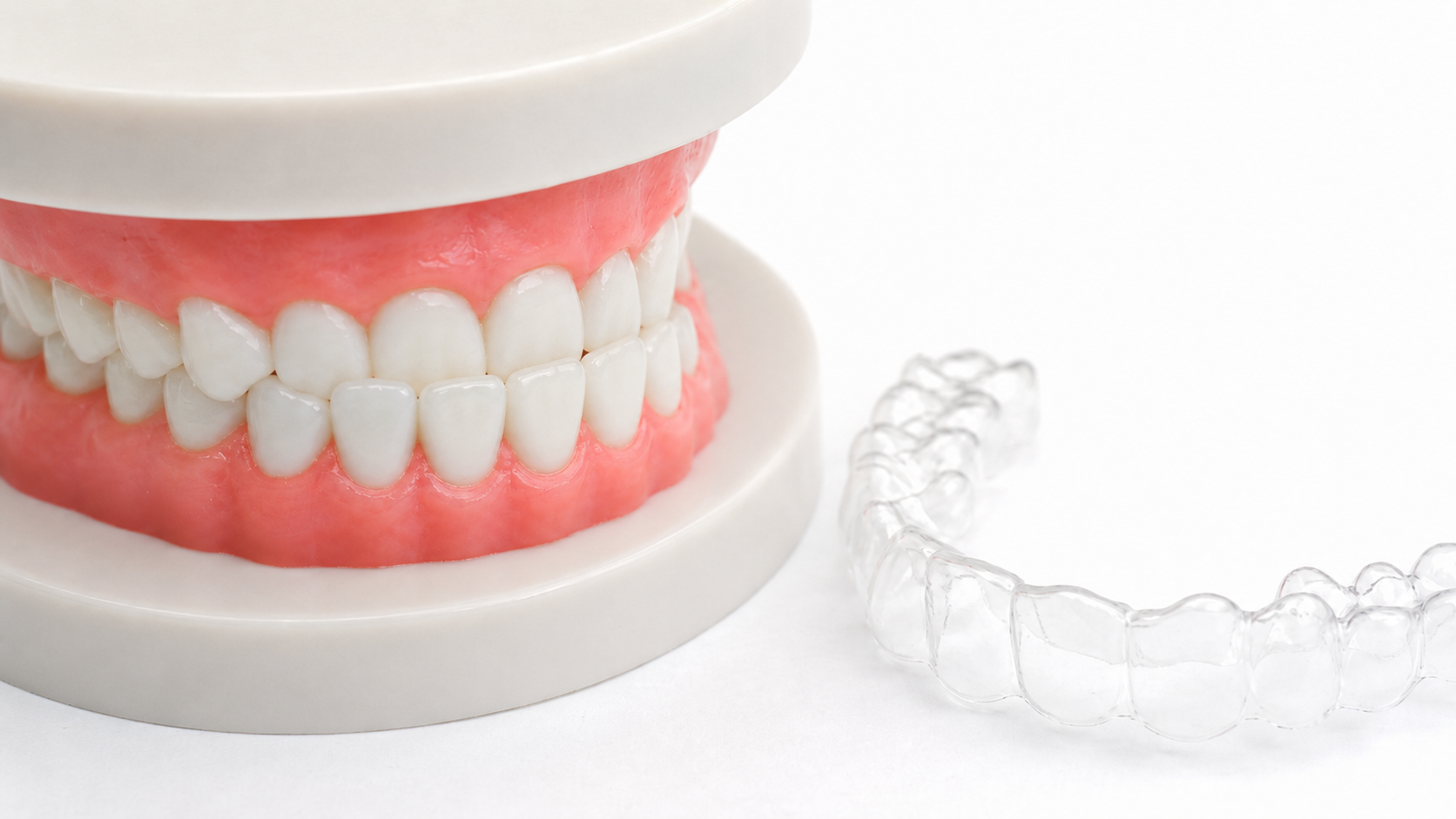
Aligners are made in a series, and each one moves the teeth a small step. Small tooth-coloured bumps called attachments may be placed on some teeth to help the aligners grip and move them. If the result needs fine-tuning, refinements can be added as treatment goals evolve.
When Is Invisalign Not Enough for an Underbite?
Clear aligners have limits, and it is better to know them before you start. Aligners are generally not the right choice when:
- The underbite comes mainly from jaw size or position
- The case is complex, with several bite problems at once
- The teeth need movements that aligners cannot control reliably
In these situations, an orthodontist is involved when required. At Charlton Dentistry, fixed braces are referred to an orthodontist, so if braces or a combined approach would give you a better result, you are referred rather than started on aligners that cannot finish the job.
What Happens at Your Underbite Assessment
Your first visit is about finding the cause. At Charlton Dentistry, it includes:
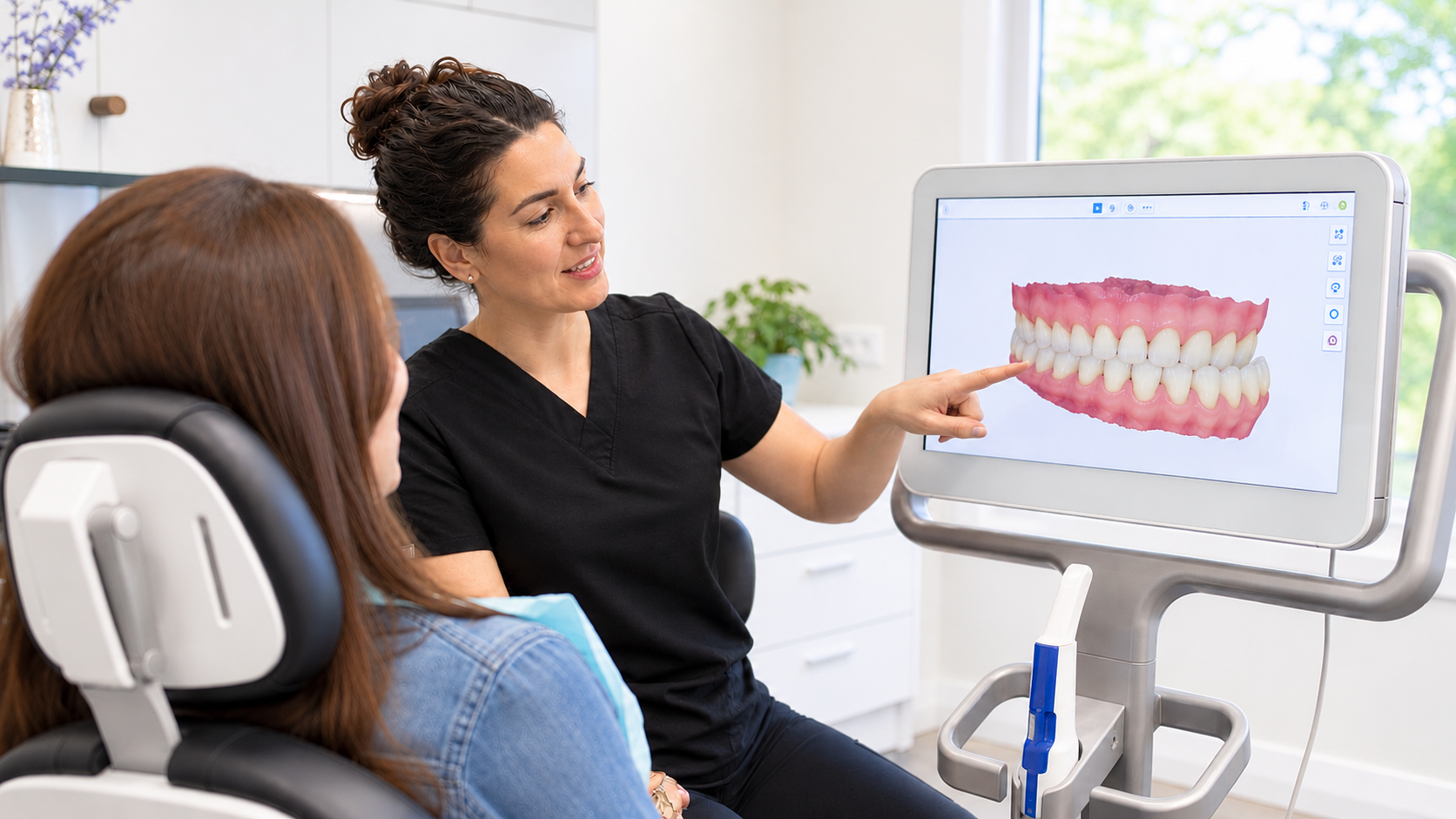
- Initial consultation and digital assessment. Your teeth, bite and the way your jaws meet are assessed and recorded
- A clear explanation of the cause. You learn whether your underbite looks tooth-related, jaw-related or both
- Your options and their limits. If aligners can help, the plan is explained. If they cannot, you hear why, and what the next step is
- Timeline and cost. Treatment time varies with case complexity and how consistently you wear your aligners, and your timeline is reviewed before treatment begins. A personalized estimate is provided after your assessment
Treatment is planned and overseen by a dentist with advanced Invisalign experience, with regular in-person visits to monitor progress. For a broader look at treatment, visit our Invisalign in Hamilton page.
Living With Aligners During Underbite Treatment
If aligners are right for you, the day-to-day routine matters as much as the plan:
- Wear them as directed. Consistent daily wear is what moves the teeth on schedule
- Expect some pressure. Temporary discomfort is common when you switch to a new aligner
- Take them out to eat. Then brush before putting them back in
- Keep your follow-up visits. Progress checks catch anything that is not tracking as planned
When treatment is complete, a retention plan is discussed with you, so your new bite stays in place.
Underbite and Aligner Questions From Hamilton Patients
Can Invisalign fix a crossbite?+
Some crossbites, where certain upper teeth sit inside the lower teeth, can be treated with aligners when the problem is mainly tooth position. Like underbites, crossbites caused by jaw width or position may need a different approach. An assessment shows which type you have.
Does Invisalign fix an overbite?+
Invisalign is often used for mild to moderate overbites caused by tooth position, which is a more common use than underbites. Severe overbites, or those caused by the jaw, may need more than aligners.
Does Invisalign change your jaw?+
Aligners move teeth, not jaw bones. Changing the way teeth meet can change how your bite feels and how your face looks at rest, but it does not change the size of the jaw. Jaw-related underbites may need orthodontist care or surgery.
Braces vs Invisalign for an underbite: which is better?+
It depends on the cause and complexity. Mild, tooth-related underbites may suit aligners. More complex cases often respond better to braces, which at Charlton Dentistry are provided through an orthodontist referral.
Can adults fix an underbite with Invisalign?+
Yes, when the underbite is mild and tooth-related. Invisalign is commonly used by adults who want discreet orthodontic treatment, and teeth can be moved at any age as long as the gums and bone are healthy. Jaw-related underbites in adults cannot be corrected by growth, so they are more likely to need orthodontist care.
Is underbite treatment with Invisalign covered by insurance?+
It may be, if your plan includes orthodontic coverage. Our guide is Invisalign covered by insurance in Canada explains what to check, and your orthodontic benefits are reviewed with you at your consultation.
Not Sure What Kind of Underbite You Have?
An assessment gives you a clear answer and an honest recommendation.
- Your bite is assessed with a digital assessment before any treatment is planned
- Limitations are discussed before treatment, and an orthodontist is involved when required
- Your orthodontic insurance benefits are reviewed, and a personalized estimate is provided after your assessment
To book an assessment, call Charlton Dentistry or visit us at 230 James Street South, Hamilton, ON L8P 3B3.